Hello Friends!
Welcome to my digital portfolio, where we embark on a journey through my experiences participating in four workshops in Computation in Design Year 1 Semester Two. These workshops consisted of ‘Code with Andreas’, ‘Make with Dhiya’, ‘Project with Jo’ and ‘Play with Syaz’.
Through these workshops, I explored the creative use of code, understanding the practicality of machine learning, and honed tactile skills, resulting in outcomes that I am delighted to present here.
This showcase is an outcome of projects I have either collaborated in small teams or worked independently. From materialising digital algorithms into tangible forms to projecting captivating visuals, I have delved into a wide array of coding possibilities. I have explored the intricate interplay between artistic technology and human interaction.
With that, I hope to continue in becoming more proficient in code literacy and develop a better sense of competency in computational design.
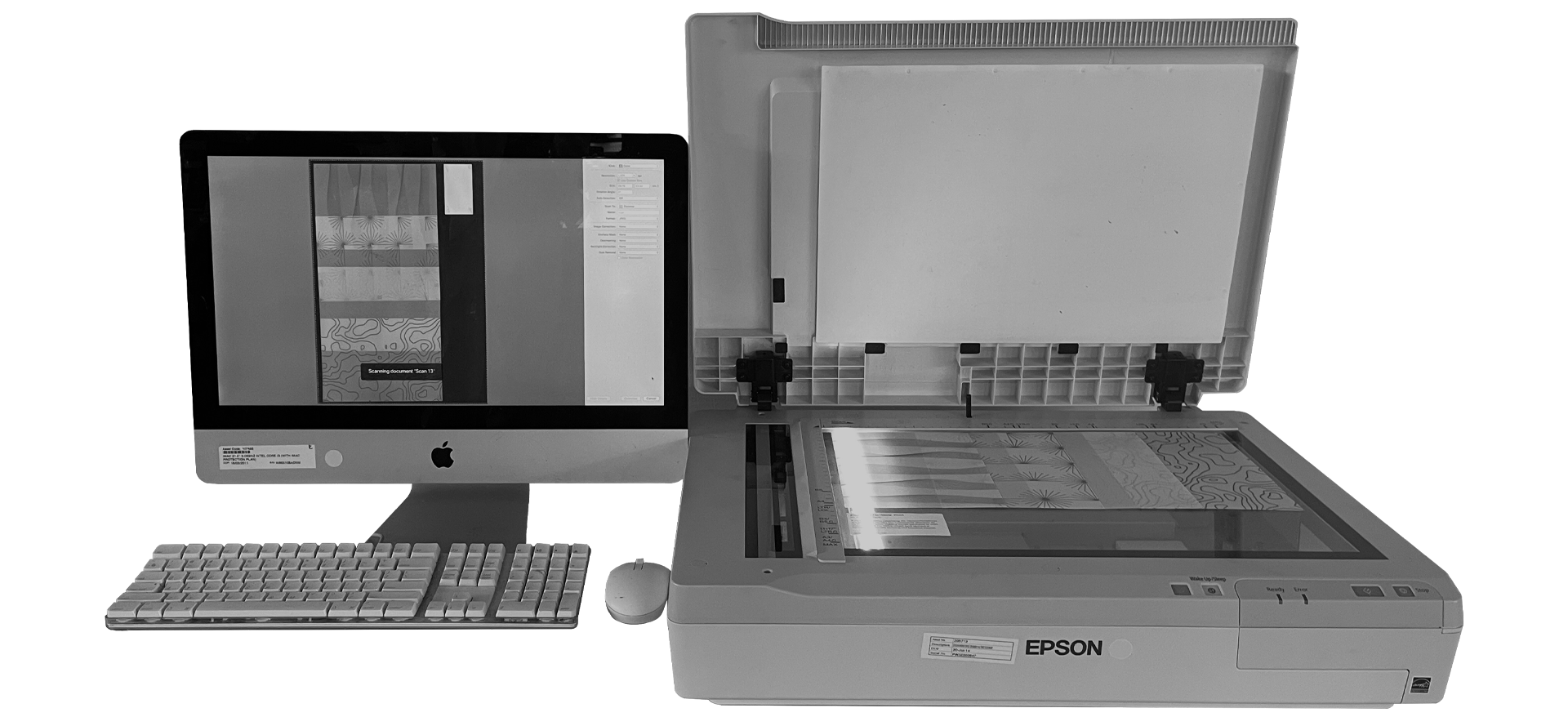
Generative Design represents an innovative frontier in the realm of design applications. It fuses elements of branding, experience design and storytelling with human interaction, artificial intelligence, data and programming. In this workshop, my group mates and I were able to translate digital sketches into tangible prints with the AxiDraw machine. We ventured to create elemental prints employing the CMYK colour scheme. Despite encountering challenges with AxiDraw's handling of drawings, we overcame hurdles through resourcefulness and adaptability.
We managed to refine our prints after countless experiments to achieve the desired artistic expression. The final presentation evolved into an engaging and interactive display, demonstrating the power of merging coding with physical creation. This workshop underscores the boundless possibilities of generative design, inspiring future explorations in printmaking and beyond.
Tools used: p5.js, Inkscape, AxiDraw
.png)
Wavy Water in Cyan
Ink on Tracing Paper
148mm x 210mm
.png)
Sparkling Fire in Magenta
Ink on Tracing Paper
148mm x 210mm
.png)
Air Particles in Yellow
Ink on Tracing Paper
148mm x 210mm
.png)
Topo Field in Key/Black
Ink on Tracing Paper
148mm x 210mm
Elemental Harmony
By Jade, Joel and Syafiq
A series of art prints celebrating the interconnectedness and balance of nature's four fundamental elements: air, earth, fire, and water. Utilizing visuals generated by code and colours from the CMYK model, each element is portrayed in a visually stunning and evocative manner.
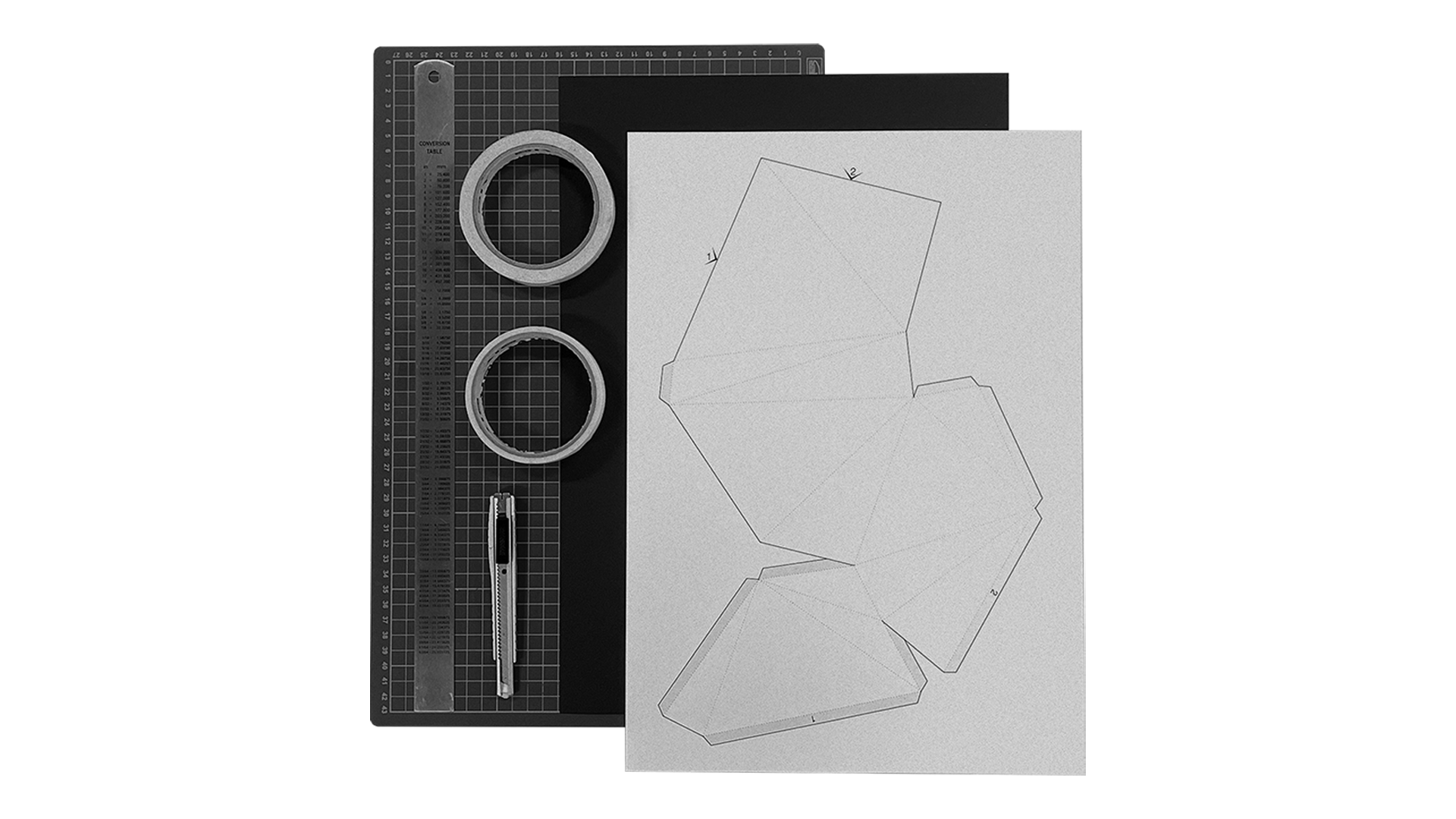
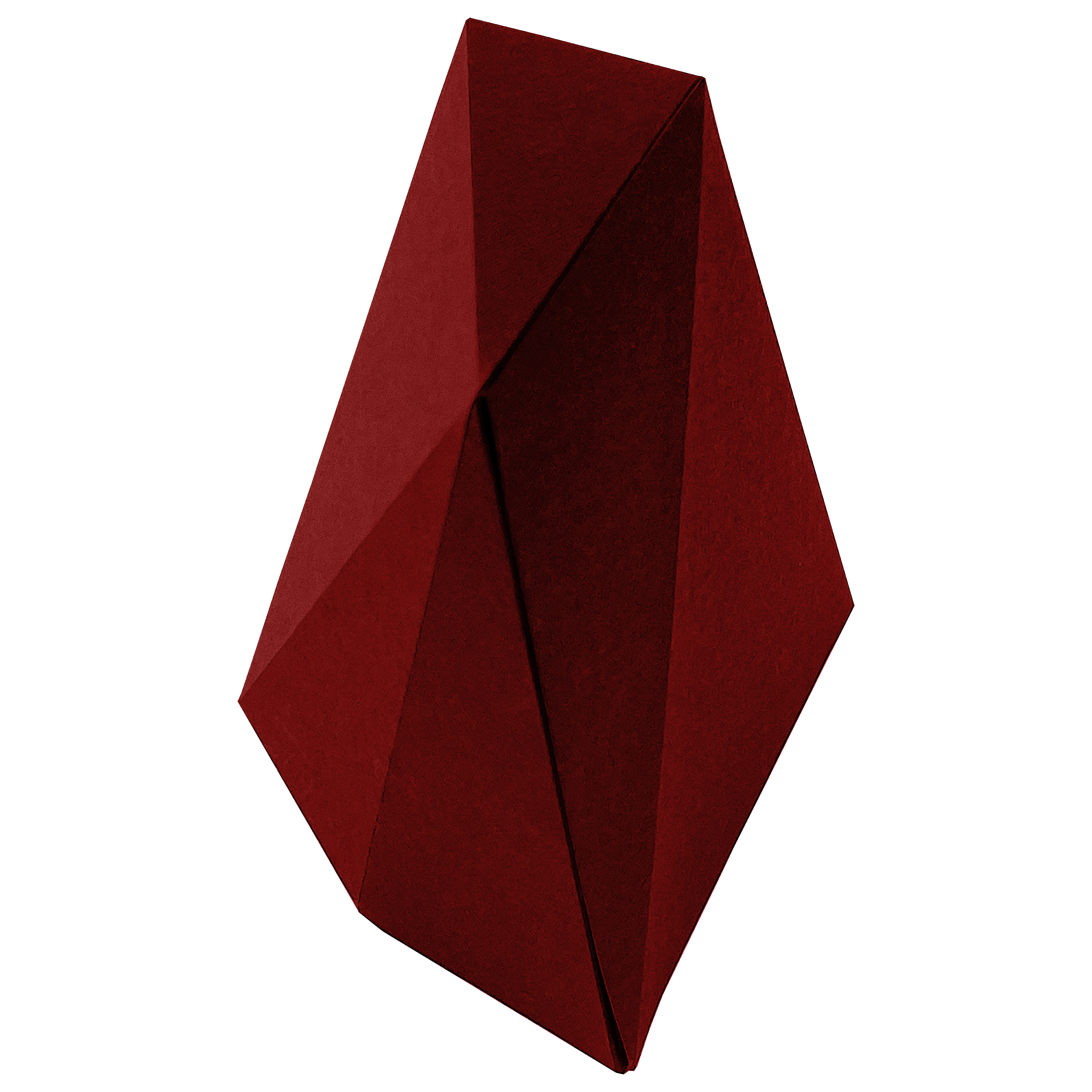
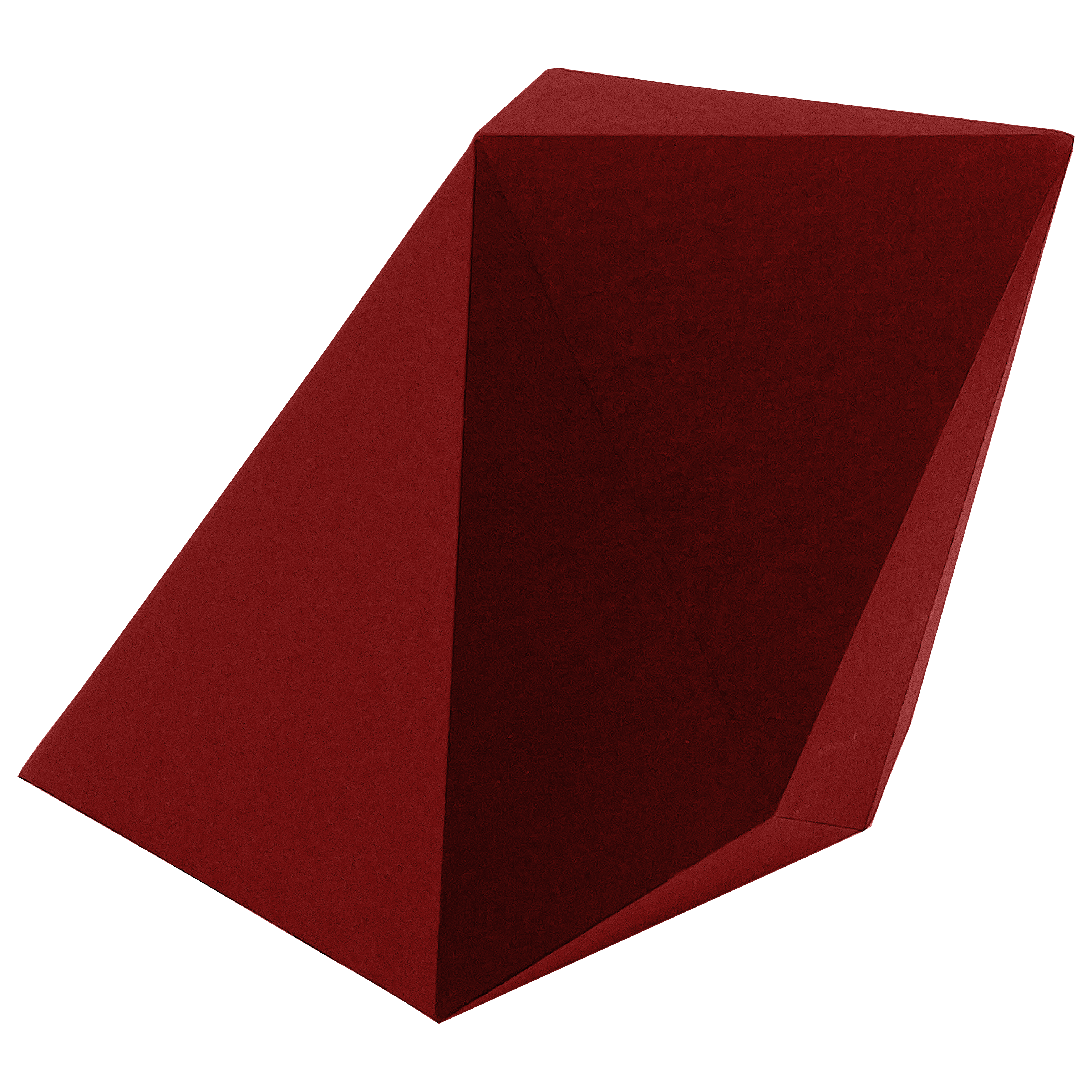
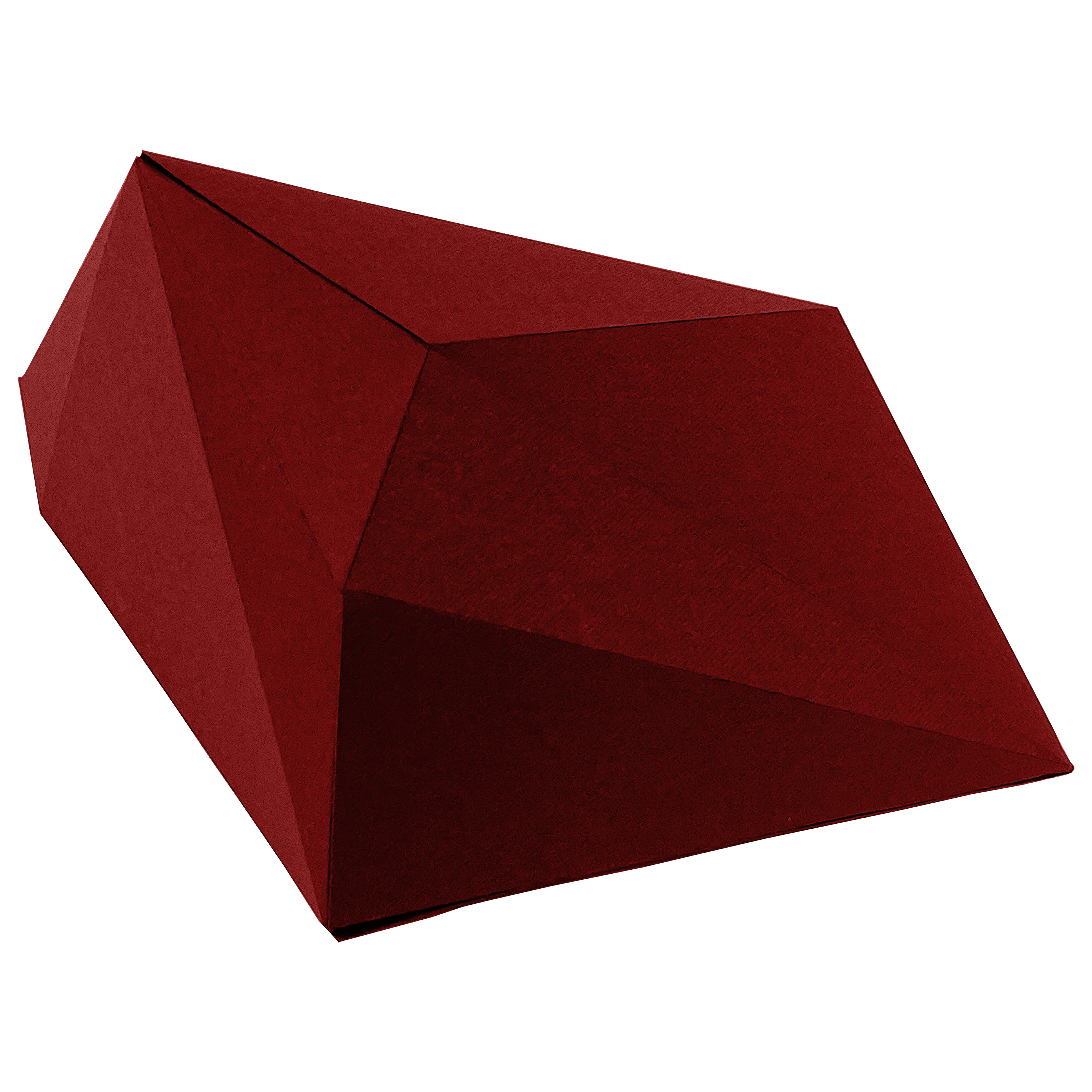
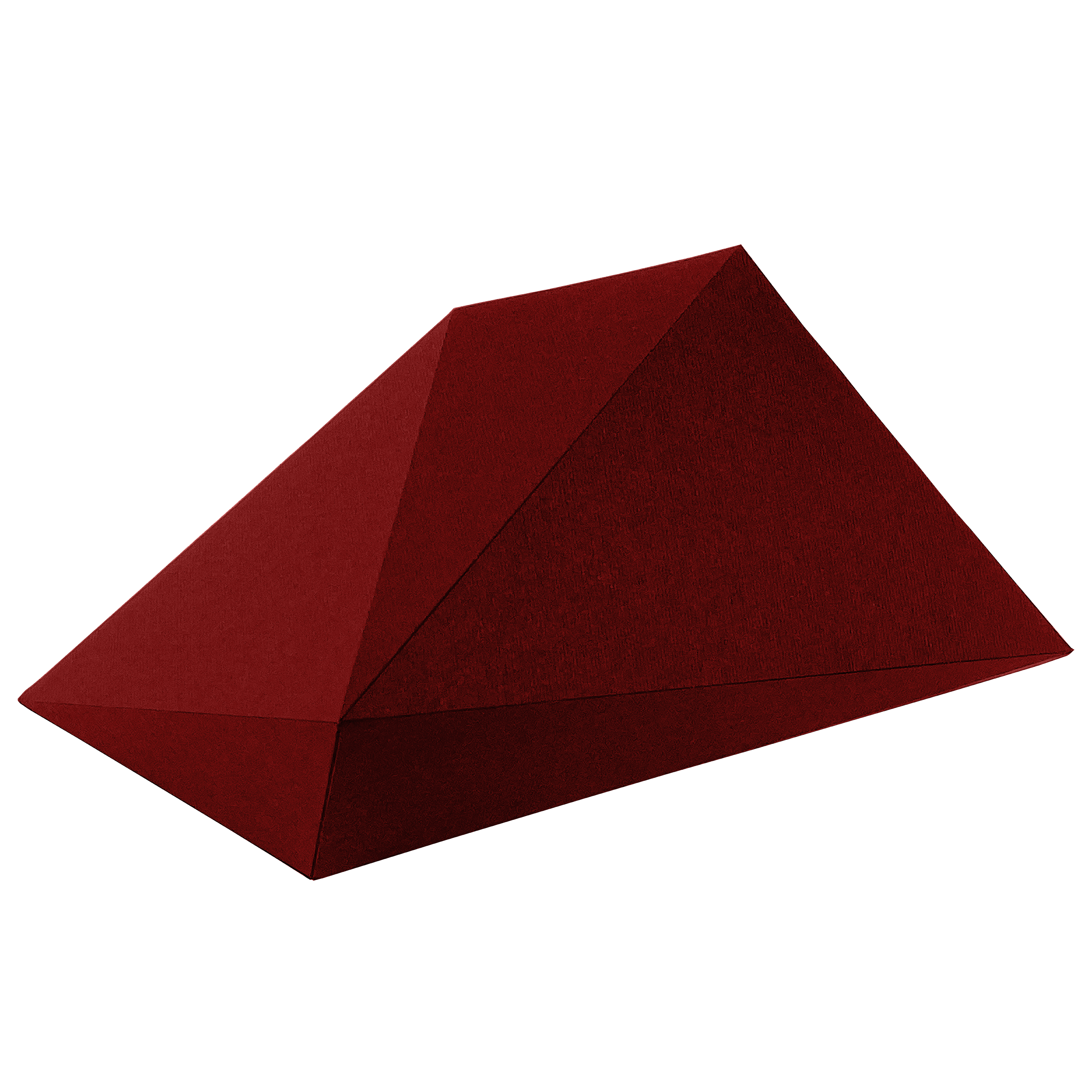
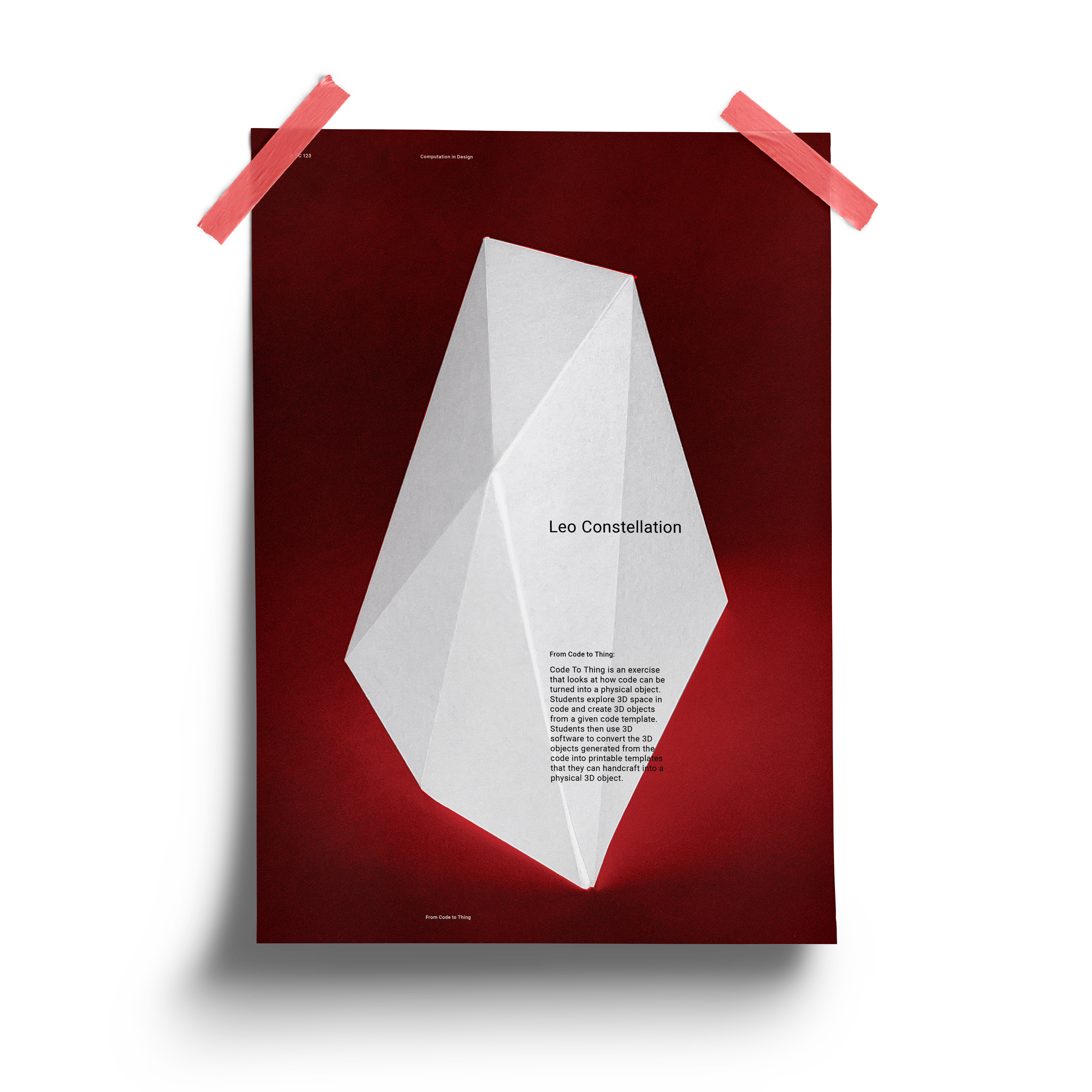
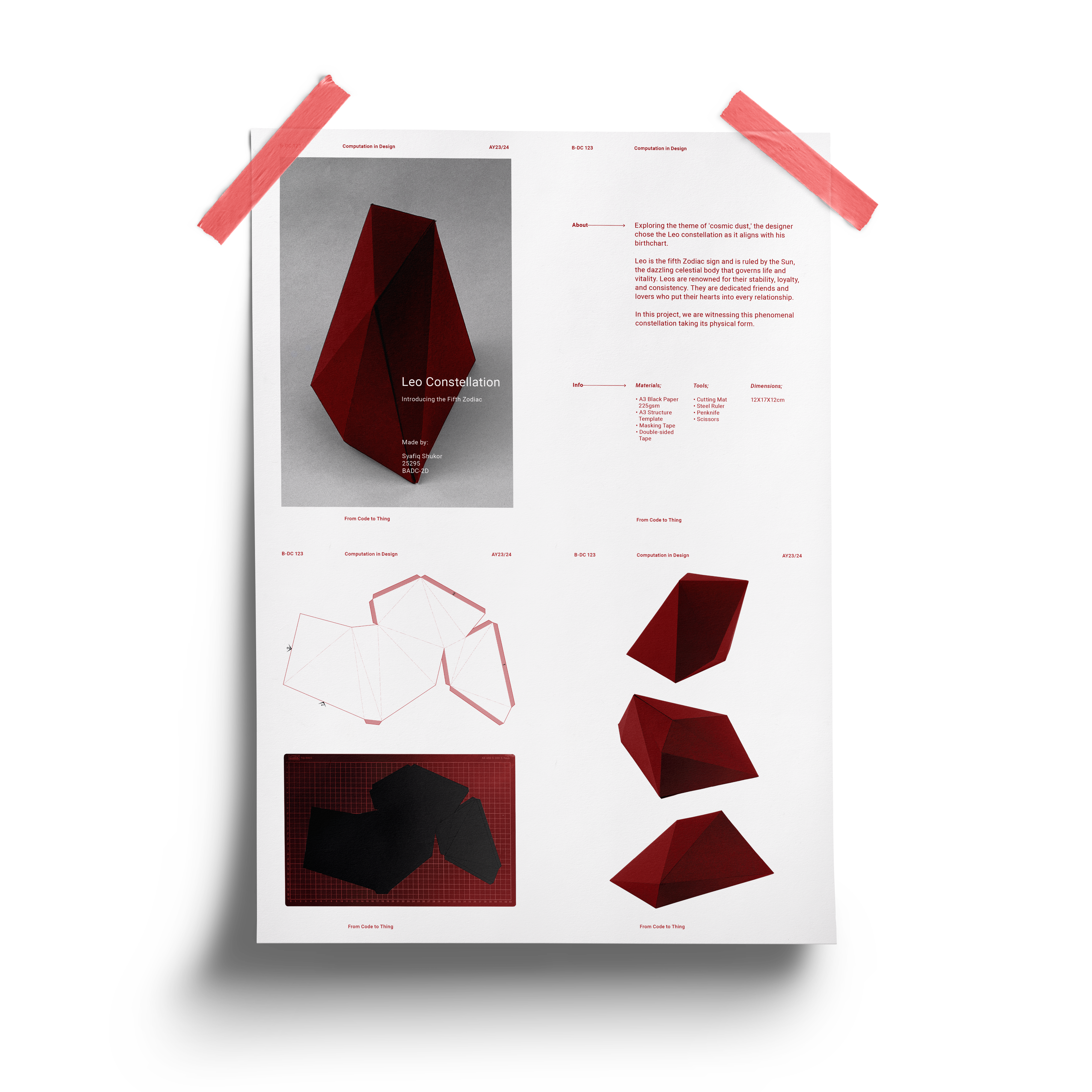
CodeToThing is a workshop to translate digital algorithms into a physical object. Digital 3D objects will be generated into paper templates and craft techniques will be applied to form a physical model. The nature of creating 3D visuals excited me, yet the incorporation of z-coordinates seemed intimidating as it demanded extra mental effort to visualise.
Exploring the theme of 'cosmic dust,' I chose the Leo constellation, aligning with my birthdate. Plotting coordinates on sketch, transferring them to p5.js, and producing an unfolded template in Blender proved rewarding. I also learnt the importance of paper selection and precision of cutting during assembly. After this workshop, I recognised the practical value of coding in tangible creations.
Tools used: p5.js, Blender
Thrilled to embark on Jo's workshop on projection mapping, I have always admired its immersive possibilities showcased in events like Singapore Art Week. Upon learning the intricacies of mapping and its impact on surfaces, the theme of “Other World” had paved the concept of cyberpunk-retro wave. My group mates and I saw an opportunity to explore this kaleidoscopic landscape of vibrant colours through a pixelated lens.
We faced challenges such as outdated code, file size issues and projector angles, but my group persevered and was pleased with our outcome. The workshop laid fundamental skills, and provided me with valuable insights on how it is possible for me to create an immersive visual experience through simple code. I hope to work on projection mapping projects in the future!
Tools used: p5.js, Adobe Premiere Pro, Handbrake
.jpg)
.jpg)
.jpg)
In the physical computing workshop, we learnt about interactive systems merging digital and physical realms using Arduino tools. We did various activities including button-controlled LED, light sensor-driven vibration, rotary angle sensor creating visuals, and cursor-activated buzzer. Inspired by a robotic arm art installation, my partner and I initially aimed to create paint splatters through a paint brush and vibration. However, the buzzer was too small for a big idea.
Therefore, we shifted to a visual output idea, developing WaveZen - a therapeutic beach simulator, using the rotary angle sensor to control waves' amplitude and audio volume. It aimed to promote inner peace and improve one’s well-being during stressful times. This surprising blend of electrical engineering and art showcased the diverse possibilities of Arduino.
Tools used: p5.js, Arduino IDE
.jpg)
.jpg)
.jpg)
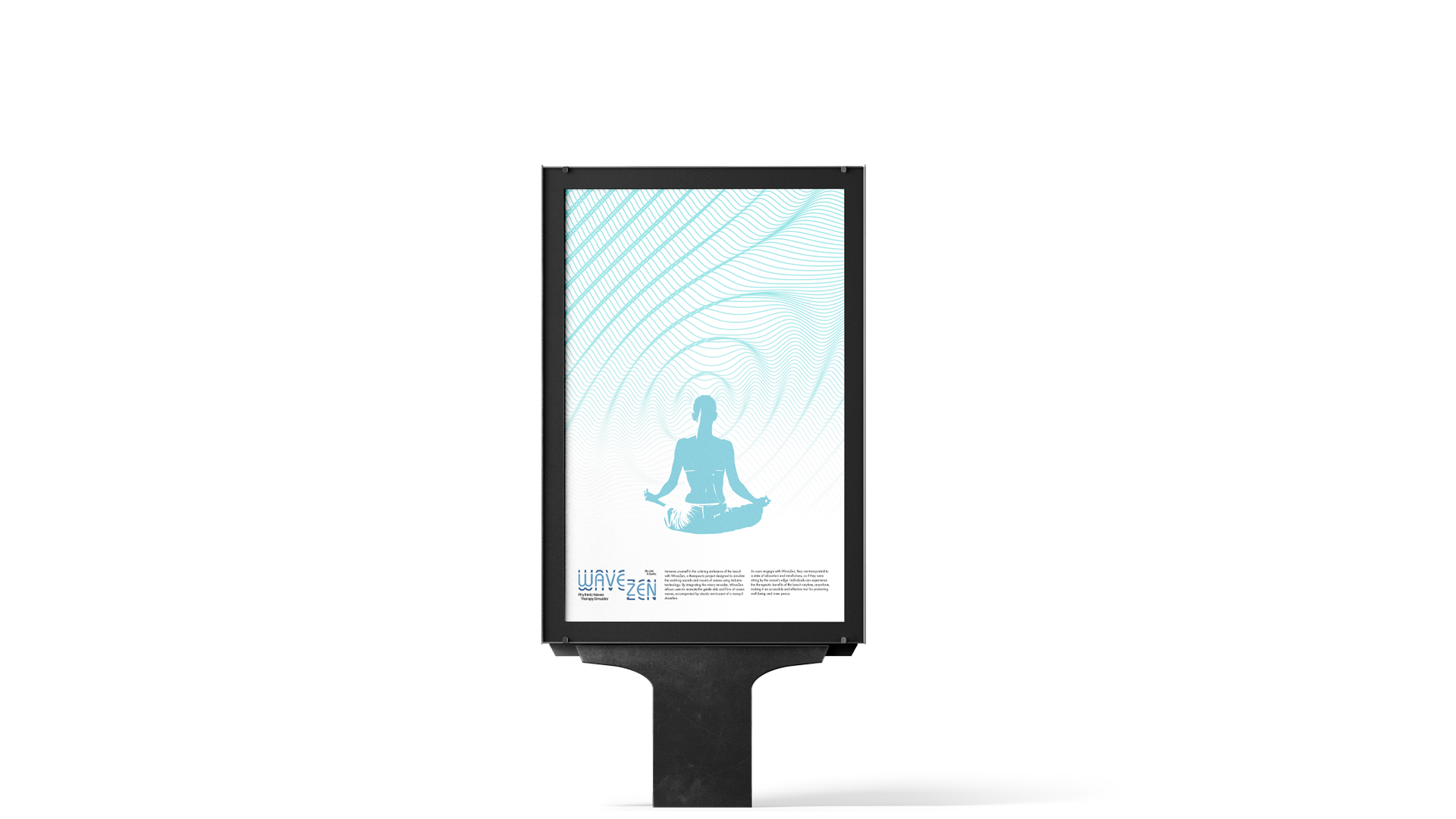
WaveZen
Rhymthic Waves Therapy simulator
By Joel and Syafiq
Immerse yourself in the calming ambiance of the beach with WaveZen, a therapeutic project designed to simulate the soothing sounds and visuals of waves using Arduino technology. By integrating the rotary encoder, WaveZen allows users to recreate the gentle ebb and flow of ocean waves, accompanied by visuals reminiscent of a tranquil shoreline.
As users engage with WaveZen, they are transported to a state of relaxation and mindfulness, as if they were sitting by the ocean's edge. Individuals can experience the therapeutic benefits of the beach anytime, anywhere, making it an accessible and effective tool for promoting well-being and inner peace.
Summary
I am thankful to have learnt new computations skills introduced in the diverse array of workshops. These workshops expanded my skills as a visual communicator by seamlessly integrating art and technology. Learning tools like Blender, Arduino IDE, and AxiDraw opened up a world of possibilities I had not considered before.
One key takeaway from this semester was the importance of continuous improvement, especially in crafting visually appealing presentations for showcases. It challenges me to think creatively and reinforced my pride and confidence as a designer.
Among my accomplishments this semester, acquiring and applying new skill sets and knowledge stands out. The hands-on experience was invaluable as well. With these newfound skills, I am looking forward to embarking on future projects and continuing enriching the world through computational design.